
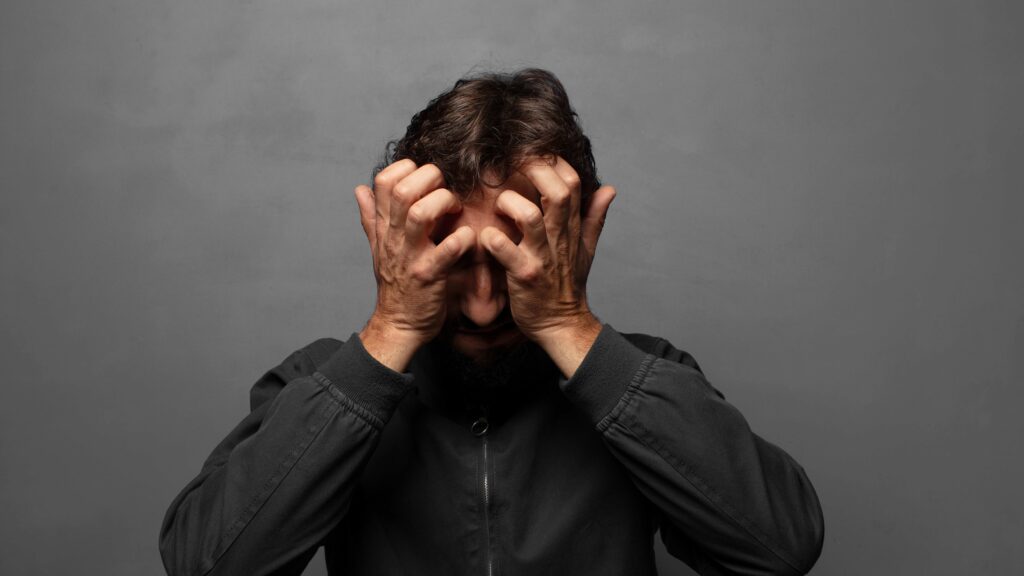
You wake up with crushing chest tightness, your mind racing with worries that won’t stop.
Depression has stolen your joy for months, yet you’re terrified to seek help, what will people think? What will your family say? The stigma feels unbearable, so you suffer silently, believing mental illness means weak faith or that discussing it is shameful. But here’s the truth that could change everything: mental health conditions are real medical illnesses that Islam encourages you to treat, and hijama for anxiety and depression offers natural support rooted in prophetic medicine that works alongside (not instead of) professional mental health care, helping you heal your mind, body, and spirit without shame or secrecy.
Get a free hijama appointment today. WhatsApp us!
Breaking the Stigma: Hijama for Anxiety & Depression in Islamic Tradition
Mental Health in Islam
The Current Crisis: Millions of Muslims worldwide suffer from anxiety and depression in silence, believing these conditions reflect spiritual weakness rather than treatable medical illnesses. This stigma prevents people from seeking help, leading to unnecessary suffering and, tragically, preventable deaths.
Islamic Truth: Mental illness is NOT a sign of weak faith, spiritual failure, or divine punishment. It’s a medical condition like diabetes or hypertension that requires treatment. The Prophet Muhammad ﷺ said: “There is no disease that Allah has created, except that He also has created its treatment” (Sahih al-Bukhari). This includes mental illness.
Breaking the Silence: Seeking treatment for anxiety or depression is not only permissible (halal) in Islam, it’s encouraged. Ignoring treatable medical conditions contradicts Islamic principles of self-care and preservation of life.
Understanding Anxiety and Depression: Clinical Definitions
Clinical Anxiety Disorders: More than normal worry, clinical anxiety involves persistent, excessive fear that interferes with daily life. Types include generalized anxiety disorder, panic disorder, social anxiety, and specific phobias. Physical symptoms include rapid heartbeat, shortness of breath, chest tightness, dizziness, and muscle tension.
Clinical Depression (Major Depressive Disorder): Persistent sadness, hopelessness, loss of interest in activities, changes in sleep and appetite, difficulty concentrating, feelings of worthlessness, and sometimes thoughts of death. Lasts weeks or months, not just temporary sadness.
Important Distinction: Normal sadness or worry ≠ clinical anxiety or depression. Clinical conditions are persistent, severe, and interfere significantly with functioning. They have biological, psychological, and environmental causes, not just “thinking negatively” or “weak faith.”
Get a free hijama appointment today. WhatsApp us!
Why Are Mental Health Issues Increasing in Pakistan?
Contributing Factors:
1. Social and Economic Pressure: Intense academic competition, unemployment, inflation, family obligations, and marriage pressures create chronic stress that can trigger anxiety and depression.
2. Trauma and Violence: Exposure to violence, terrorism, natural disasters, and political instability contributes to widespread trauma and PTSD symptoms.
3. Changing Family Structures: Breakdown of extended family support systems, urbanization, and social isolation increase vulnerability to mental illness.
4. Physical Health Issues: Chronic diseases, nutritional deficiencies (especially vitamin D and B12), and lack of exercise affect brain chemistry and mental health.
5. Stigma Preventing Treatment: Fear of judgment prevents people from seeking help until conditions become severe, worsening outcomes.
6. Limited Mental Health Resources: Pakistan has approximately 0.19 psychiatrists per 100,000 people far below the needed ratio.
How Hijama Affects Mental Health?
Cupping therapy for anxiety and depression works through multiple interconnected pathways:
1. Stress Hormone Reduction (Cortisol)
Chronic stress elevates cortisol, contributing to anxiety and depression. Hijama for anxiety may help activate the parasympathetic nervous system (rest and digest mode), potentially reducing cortisol levels. Physical relaxation through cupping triggers this calming response.
2. Neurochemical Support
While hijama doesn’t directly increase neurotransmitters like medication does, improved circulation and reduced inflammation may support overall brain health. Better oxygen delivery to the brain, reduced oxidative stress, and systemic wellness can create conditions for improved mood regulation.
3. Physical Relaxation → Mental Relief
The mind-body connection is real. Chronic muscle tension, especially in the neck, shoulders, and back, maintains anxiety states. Cupping therapy depression support includes releasing this physical tension, which can reduce mental anxiety. Many patients report feeling significantly more relaxed after sessions.
4. Inflammation-Depression Connection
Emerging research shows chronic inflammation is linked to depression. Hijama may help reduce inflammatory markers in the body. By lowering overall inflammation, systemic health improves, potentially supporting mental wellness.
5. Improved Sleep Quality
Poor sleep worsens anxiety and depression dramatically. Many patients report better sleep after hijama sessions. Better sleep supports mood regulation, cognitive function, and emotional resilience.
6. Circulation and Brain Health
Improved blood circulation means better oxygen and nutrient delivery to the brain. While indirect, this systemic support contributes to overall mental wellness.

Integrating Hijama with Conventional Treatment
The Comprehensive Approach
1. Professional Mental Health Care (Foundation):
- Psychiatrist for medication (if needed)
- Psychologist/therapist for counseling (CBT, etc.)
- Regular medical monitoring
2. Hijama Therapy (Supportive)
- Monthly sessions for stress reduction
- Focus on overall wellness
- Physical-mental connection support
3. Spiritual Practices (Essential)
- Daily Quran recitation
- Regular salah (structure and mindfulness)
- Dhikr for calming
- Dua for healing
4. Lifestyle Modifications
- Regular exercise (proven antidepressant effect)
- Nutritious diet
- Adequate sleep (7-9 hours)
- Social connections
- Sunlight exposure
Communication is Key: Inform your psychiatrist about hijama. Inform your hijama practitioner about any medications. Most psychiatric medications are safe with hijama, but disclosure ensures coordinated care.
Get a free hijama appointment today. WhatsApp us!
Best Hijama Points for Mental Wellness
Primary Points for Anxiety and Depression:
1. Al-Kahil (Upper Back, Base of Neck): Traditional Sunnah point. Affects the nervous system, releases neck and shoulder tension where stress accumulates.
2. Between Shoulder Blades (Upper Back): Targets thoracic spine area. Releases deep muscle tension associated with chronic anxiety.
3. Cervical Spine Points (Neck Region): Improves circulation to brain, releases neck tension, supports nervous system regulation.
4. Lower Back (Lumbar Region): Connected to kidney and adrenal function (stress hormone production). Supports overall stress response.
5. Leg Points (When Appropriate): Grounding effect, circulation improvement, systemic support.
Customization: Professional practitioners assess individual needs and customize point selection based on symptoms, stress patterns, and overall health.
Spiritual Practices Alongside Hijama
Comprehensive Islamic Mental Wellness:
1. Quran for Peace: “Verily, in the remembrance of Allah do hearts find rest” (Quran 13:28). Regular Quran recitation, especially listening to peaceful recitations, provides profound comfort.
2. Dhikr for Anxiety: Repetitive phrases like “SubhanAllah,” “Alhamdulillah,” “La ilaha illallah” create a meditative state similar to mindfulness practices. The Prophet ﷺ taught specific dhikr for anxiety and distress.
3. Specific Duas: Authentic prophetic supplications for sadness: “O Allah, I am Your servant, son of Your servant, son of Your maidservant…” (authentic hadith). Morning and evening adhkar provide protection and peace.
4. Salah as Mindfulness: Five daily prayers create structure, incorporate physical movement (proven to help depression), and provide moments of spiritual connection throughout the day.
5. Gratitude Practice: Saying “Alhamdulillah” (All praise is for Allah) for blessings, even small ones is Islamic gratitude practice shown to improve mood.
6. Sadaqah (Charity): Helping others provides purpose and perspective. The Prophet ﷺ said sadaqah extinguishes sins as water extinguishes fire, it also lifts one’s spirit.
Finding Mental Health Support in Pakistan
Psychiatric Services:
- Major hospitals have psychiatric departments (PIMS, Shifa, Aga Khan, etc.)
- Private psychiatrists available in major cities
- Check Pakistan Psychiatric Society for referrals
Therapy/Counseling:
- Clinical psychologists (check Pakistan Psychological Association)
- Islamic counselors (seek properly trained professionals)
- Some organizations offer sliding scale fees
Hijama Centers: Look for a hijama center near me that emphasizes integrated mental health care. At Rewired Centre in Islamabad, we support comprehensive mental wellness and work alongside (never against) your mental health professionals.
Conclusion
Hijama for anxiety and depression offers genuine support rooted in Islamic tradition, but it’s most powerful when integrated with professional mental health care, spiritual practices, and lifestyle modifications. Mental illness is not a spiritual failing, it’s a treatable medical condition, and seeking help demonstrates strength, not weakness. Whether you’re struggling with cupping therapy for anxiety benefits, need professional psychiatric care, or want to support someone you love, remember: healing is possible, help is available, and you are not alone.
At Rewired Centre in Islamabad, we honor both Islamic values and medical science, supporting your complete mental wellness journey with compassion, professionalism, and absolutely no judgment.
Rewired Hijama and Ruqyah Centre Islamabad is the best hijama and ruqyah centre in Islamabad. Check our Google Reviews!