

Are you feeling constantly fatigued, plagued by brain fog, or struggling with persistent aches that just won’t go away?
Ignoring these signs often leads to a toxic build-up that drains your physical and spiritual energy, leaving you feeling disconnected and perpetually unwell. Traditional medicine frequently overlooks the rhythmic cycle of the body’s natural healing capacity and lunar influence. However, the Prophetic tradition provides a specific, proven roadmap for recovery. By choosing the best days for hijama based on the lunar calendar, you align your recovery with nature’s cycles.
This guide reveals the optimal hijama timing Sunnah recommends.
What Is Hijama in Islam?
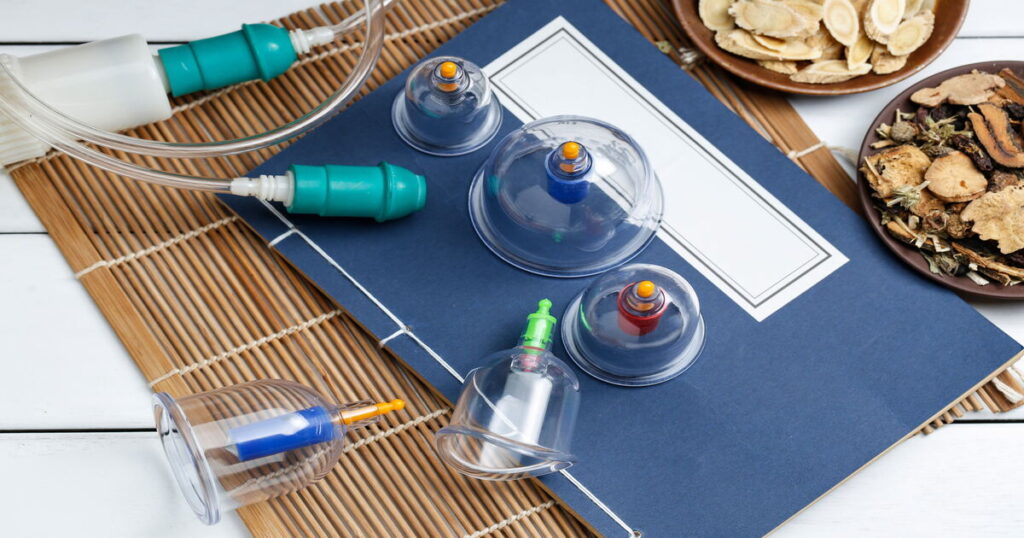
Hijama, also known as wet cupping, is a form of prophetic medicine recommended and practiced by Prophet Muhammad ﷺ. It involves creating suction on specific points of the body, followed by controlled incisions to remove stagnant blood. Authentic hadith confirm that the Prophet ﷺ personally underwent hijama and encouraged its use for healing.
Hijama is not merely physical therapy. In Islamic tradition, it is a holistic practice addressing physical health, emotional balance, and spiritual wellbeing. Scholars classify it under Tibb-e-Nabawi, or Prophetic Medicine, making it a Sunnah-based practice when performed correctly and with the right intention.
Importance of Timing Hijama According to Sunnah
Hijama, or wet cupping, is more than just a physical procedure; it is a profound medical Sunnah that the Prophet Muhammad (peace be upon him) described as one of the best forms of healing. While the procedure itself offers immense benefits at any time, the Prophetic tradition places a heavy emphasis on specific timing. Understanding when to do hijama allows a believer to combine physical detoxification with spiritual obedience, potentially doubling the efficacy of the treatment.
In the Islamic tradition, the body is seen as a trust (Amanah). Taking care of it using the methods recommended by the Messenger of Allah (PBUH) ensures that we are maintaining our health in the most authentic way possible. Research into the hijama timing Sunnah suggests that the body’s fluids and internal pressures are influenced by the lunar cycle, much like the tides of the ocean.
Get a free hijama appointment today. WhatsApp us!
Best Days for Hijama According to Sunnah
The 17th, 19th, and 21st of the Lunar Month
The most widely accepted and authentic guidance regarding the best days for hijama comes from several hadith. The Prophet Muhammad ﷺ said:
“Whoever performs hijama on the 17th, 19th, or 21st, it will be a cure for every disease.”
Reported in Sunan Abu Dawood and classified as Hasan
These dates refer to the Islamic lunar calendar, not the Gregorian calendar. This distinction is extremely important when planning your session.
These days usually fall after the full moon, a period traditionally believed to be associated with increased blood circulation and bodily pressure. Practitioners of prophetic medicine consider this phase ideal for removing harmful substances from the body.
Why Do Lunar Dates Matter in Hijama?
Islamic guidance often aligns with natural cycles. The lunar calendar influences tides, human sleep patterns, and even blood flow. Classical Islamic scholars and physicians observed that blood becomes more active during certain lunar phases, especially after the full moon.
Performing hijama during these recommended days allows for optimal extraction with less strain on the body. This is why hijama timing Sunnah is emphasized repeatedly in authentic narrations and scholarly works.
If you are searching for a hijama center near me to book your appointment, it is wise to consult an Islamic calendar first to see when these dates fall in your current location.
Preferred Days of the Week
Beyond the monthly lunar dates, there is also guidance regarding the specific days of the week. Authentic narrations suggest that Monday, Tuesday, and Thursday are preferred days for treatment.
- Monday and Tuesday: These are often cited as days of ease and healing.
- Thursday: Another highly recommended day for seeking medical and spiritual wellness.
- The “Warning” Days: Some traditional narrations advise caution or avoidance of hijama on Wednesdays and Saturdays to avoid potential complications, although many scholars agree that in cases of medical necessity or emergency, hijama can be performed on any day of the week.
Get a free hijama appointment today. WhatsApp us!
Can Hijama Be Done on Other Days?
Yes, hijama is permissible on other days if there is a medical or urgent need. The Sunnah-recommended days are for optimal benefit, not restriction. Scholars clarify that hijama can be performed at any time if a person is experiencing pain, illness, or discomfort.
However, when there is flexibility and no urgency, following the Sunnah dates is preferred. This approach balances practicality with religious adherence.
Are There Days When Hijama Should Be Avoided?
Some narrations mention avoiding hijama on certain days like Wednesday or Friday. However, scholars differ on the authenticity and strength of these reports. Stronger hadith confirm the recommended days but do not strictly prohibit other days.
Most qualified scholars advise focusing on the confirmed Sunnah dates rather than overemphasizing weak narrations. Consulting a knowledgeable practitioner who understands both Islamic rulings and medical considerations is always recommended.
Best Time of the Day for Hijama
Classical Islamic medical texts often suggest performing hijama during the daytime, preferably in the morning or early afternoon. This timing aligns with when the body is naturally active and better able to recover.
The Prophet ﷺ is reported to have undergone hijama during the day, though specific hours are not rigidly fixed. The key principle is avoiding extreme fatigue, hunger, or dehydration during the session.
Get a free hijama appointment today. WhatsApp us!
Biological Rhythms and Hijama Timing
While the calendar dates are paramount, the time of day also plays a role in the hijama timing Sunnah. It is traditionally recommended to perform hijama in the early morning hours, ideally on an empty stomach (Fasting/Nahar).
The “Empty Stomach” Rule
Performing hijama before eating allows the body to focus its energy on circulation and detoxification rather than digestion. This is a practice commonly upheld at any reputable hijama center islamabad. It ensures that the blood flow is directed toward the periphery of the body, allowing for a more thorough extraction of stagnant blood and metabolic waste.
Seasonal Considerations
While hijama is beneficial year-round, the transition between seasons specifically moving into the warmer months is often cited as an excellent time for a “system reset.” This aligns with the natural detoxification processes of the liver and kidneys.
For those living in the capital, finding the best hijama center in Islamabad often involves looking for practitioners who are not only medically certified but also deeply knowledgeable about these Sunnah timing nuances.
Hijama for Specific Conditions: Does Timing Change?
While the Sunnah dates are ideal for general wellness and preventative care, the rules of timing can be flexible when treating specific, acute conditions. For instance:
- Chronic Pain: If you are suffering from severe back pain or migraines, you do not necessarily need to wait for the 17th of the month.
- Mental Health: Articles on Hijama for Anxiety & Depression suggest that while Sunnah days are best, relief can be sought whenever the symptoms become unmanageable.
- Emergency Detox: In cases of poisoning or sudden illness, the Prophet (PBUH) performed hijama immediately, regardless of the date.
Why Quality Matters More Than Just the Date?
While timing is a significant factor, the expertise of the practitioner and the cleanliness of the facility are equally important. Performing hijama on the “best day” in an unsterile environment can do more harm than good.
When searching for the best hijama center in islamabad, look for:
- Sterile Equipment: Use of single-use, disposable blades and cups.
- Clinical Knowledge: A practitioner who understands anatomy and can identify the correct Sunnah points.
- Integrated Care: Centers that offer Ruqyah and Life Coaching alongside hijama for a truly holistic experience.
The Rewired Hijama and Ruqyah Centre in Islamabad is a prime example of a facility that prioritizes both the spiritual guidelines of the sunnah and the rigorous safety standards of modern clinical practice.
Conclusion
Achieving true wellness requires more than just treatment; it requires timing that respects the body’s natural and spiritual rhythms. By following the Sunnah dates; the 17th, 19th, and 21st, you maximize the detoxifying potential of every session. Whether you are seeking relief from chronic pain or a mental health boost, aligning with the prophetic tradition ensures excellence in healing.
If you are looking for the best hijama center in islamabad, Rewired Centre is here to guide you. Don’t leave your health to chance; schedule your optimal session today and experience the profound benefits of prophetic medicine.
Rewired Hijama and Ruqyah Centre Islamabad is the best hijama and ruqyah centre in Islamabad. Check our Google Reviews!