
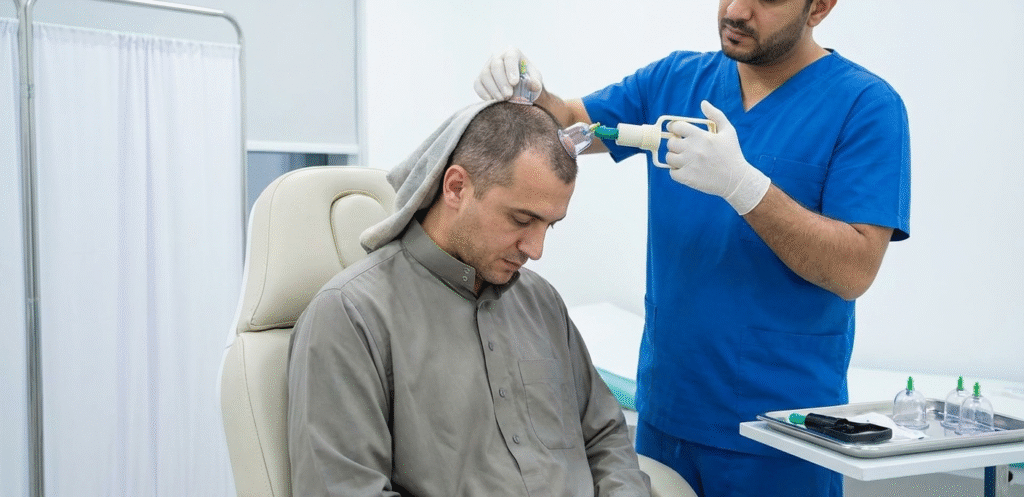
Migraines steal your life, not just hours, but entire days lost to throbbing pain, nausea, and light sensitivity.
You’ve tried medications that leave you drowsy and dependent, yet headaches still return. Each migraine disrupts your work, family time, and worship. You cancel plans, miss prayers, and watch life pass by through a fog of pain. Painkillers offer temporary relief but fail to address the root cause. Hijama (wet cupping therapy), practiced for over 1,400 years in Islamic medicine, targets migraine triggers naturally.
By improving blood flow, reducing inflammation, and releasing muscle tension, hijama helps many sufferers reduce migraine frequency and intensity often dramatically.
Understanding Migraines: More Than Just Headaches
Migraines are severe, recurring headaches that affect approximately 1 in 7 people worldwide. Unlike regular tension headaches, migraines are neurological events that can completely disable sufferers for hours or days.
Migraine Symptoms
During an Attack, You May Experience:
- Intense throbbing or pulsing pain (usually one side of head)
- Sensitivity to light (photophobia) and sound (phonophobia)
- Nausea and vomiting
- Visual disturbances (aura) – flashing lights, blind spots, zigzag lines
- Difficulty concentrating or speaking
- Dizziness or vertigo
- Neck stiffness and shoulder tension
Duration:
Migraines typically last 4-72 hours if untreated. Some people experience several attacks per month, severely impacting quality of life.
Common Migraine Triggers
Physical Triggers:
- Hormonal changes (especially in women during menstrual cycle)
- Poor sleep or irregular sleep schedule
- Dehydration
- Bright lights, loud sounds, strong smells
- Weather changes and barometric pressure shifts
Dietary Triggers:
- Skipping meals or fasting (low blood sugar)
- Caffeine (too much or withdrawal)
- Alcohol, especially red wine
- Aged cheeses, processed meats (contain tyramine)
- MSG and artificial sweeteners
Lifestyle Triggers:
- Chronic stress and anxiety
- Poor posture causing neck tension
- Eye strain from screens
- Lack of physical activity
- Certain medications
Get a free hijama appointment today. WhatsApp us!
The Conventional Treatment Limitations
Acute Medications (For Active Migraines):
- Over-the-counter painkillers (ibuprofen, aspirin) – often insufficient
- Triptans (prescription) – effective but expensive, with side effects
- Anti-nausea medications – treat symptoms, not cause
Preventive Medications:
- Beta-blockers, antidepressants, anti-seizure drugs
- Taken daily even without migraines
- Significant side effects (fatigue, weight gain, cognitive fog)
- May take months to work
- Not effective for everyone
The Problem:
Many migraine sufferers want relief without daily medication, side effects, or dependency. They’re seeking natural approaches that address root causes, not just mask symptoms.
What is Hijama and How Does It Help Migraines?
Hijama (wet cupping therapy) involves placing cups on specific points to create suction, followed by small superficial incisions to extract stagnant blood. Prophet Muhammad (peace be upon him) said: “If there is any good in your medicines, it is in cupping” (Sahih Bukhari).
How Hijama May Relieve Migraines?
1. Improved Blood Circulation
Migraines often involve vascular issues, blood vessels in the brain constricting and then dilating. Hijama improves overall circulation, potentially stabilizing blood flow patterns that trigger migraines.
2. Reduced Muscle Tension
Neck and shoulder tension frequently triggers or worsens migraines. Hijama releases muscle knots and fascial restrictions that contribute to head pain.
3. Inflammatory Marker Reduction
Research suggests inflammation plays a role in migraines. By removing stagnant, inflammatory blood, hijama may reduce triggers for migraine attacks.
4. Nervous System Regulation
The parasympathetic nervous system (rest and digest) activates during hijama, potentially calming the overactive nervous system response involved in migraines.
5. Trigger Point Release
Specific cupping points correspond to areas where tension and poor circulation contribute to headaches. Releasing these points may reduce migraine frequency.
6. Stress Hormone Reduction
Studies show hijama can lower cortisol (stress hormone), which is a significant migraine trigger for many people.
Get a free hijama appointment today. WhatsApp us!

Hijama Points Specifically for Migraines
Traditional Islamic medicine identifies several key cupping points effective for headache and migraine relief.
Primary Hijama Points for Migraines
Point 1 (Al-Kahil) – Crown of Head
Located at the center top of the head. This master point improves overall blood flow and is considered essential for all headache types. Many migraine sufferers report immediate relief after cupping this point.
Points 6 and 7 (Al-Akhda’ain) – Base of Skull
Found in the hollows on both sides where the neck meets the skull. These points release tension in the occipital region, where many migraines originate. Extremely effective for migraines that start at the back of the head.
Point 11 – Upper Back (Between Shoulder Blades)
Releases tension in the upper thoracic spine that can refer pain to the head. Particularly helpful for migraines triggered by poor posture or computer work.
Point 55 – Mid-Back
Corresponds to digestive organs. Since some migraines have digestive triggers or components, this point may help address the gut-brain connection.
Points 40 and 41 – Shoulders
Release chronic shoulder tension that contributes to tension-type headaches and migraines. Many people hold stress in their shoulders, creating trigger points that radiate to the head.
Point 43 – Forehead (Optional)
Some practitioners use this point for frontal migraines, though it’s less common in traditional hijama practice.
Get a free hijama appointment today. WhatsApp us!
Treatment Sequence
Typical Session Flow:
- Begin with Point 1 – Regulates overall circulation
- Move to Points 6 and 7 – Release neck tension
- Address Points 11, 40, 41, 55 – Release contributing tension
- Total treatment time: 30-45 minutes
Most migraine patients need cupping on 5-8 points per session, depending on individual patterns.
Complementary Strategies for Migraine Management
Hijama works best as part of a comprehensive migraine management approach.
Dietary Modifications
Foods to Include:
- Magnesium-rich foods (spinach, almonds, avocado)
- Omega-3 fatty acids (fish, walnuts, flaxseeds)
- Ginger (natural anti-inflammatory)
- Dates and honey (Prophetic foods with migraine benefits)
- Adequate hydration (2-3 liters water daily)
Foods to Avoid:
- Common triggers: aged cheese, processed meats, MSG
- Caffeine (if prone to withdrawal headaches)
- Alcohol, especially red wine
- Artificial sweeteners
- Skip meals (maintain stable blood sugar)
Lifestyle Adjustments
Sleep Hygiene:
- Consistent sleep schedule (even weekends)
- 7-8 hours nightly
- Dark, cool, quiet sleeping environment
- Avoid screens 1 hour before bed
Stress Management:
- Regular prayer (Salah) provides stress breaks throughout day
- Dhikr and Quran recitation calm nervous system
- Deep breathing exercises
- Regular physical activity (30 minutes daily)
Posture and Ergonomics:
- Proper desk setup (screen at eye level)
- Frequent breaks from computer work (every 20 minutes)
- Neck and shoulder stretches
- Avoid forward head posture
Trigger Tracking:
- Keep migraine diary noting:
- Date, time, duration of attack
- Potential triggers (food, stress, sleep, weather)
- Severity (1-10 scale)
- Treatments used and effectiveness
- Identify patterns over 2-3 months
Get a free hijama appointment today. WhatsApp us!
Islamic Practices for Pain Management
Prophetic Guidance:
The Prophet (PBUH) would place his hand on the painful area and say: “O Allah, Lord of the people, remove the harm and heal, You are the Healer, there is no healing except Your healing, a healing that leaves no illness behind” (Sahih Bukhari).
Ruqyah for Migraines:
Some migraines may have spiritual components (evil eye, magic). If migraines are unusual, sudden-onset, or unresponsive to treatment, consider ruqyah treatment at Rewired Centre alongside medical care.
Patience and Perspective:
Chronic pain tests faith. Remember: “And We will surely test you with something of fear and hunger and a loss of wealth and lives and fruits, but give good tidings to the patient” (Quran 2:155).
Finding Effective Migraine Treatment in Islamabad
Not all hijama clinics have experience treating migraines. When searching for a hijama clinic near me, look for practitioners who understand neurological pain patterns and specialize in hijama Islamabad services.
What to Look for in a Hijama Center?
Experience with Migraines:
- Practitioners trained in head and neck cupping points
- Understanding of migraine physiology
- Track record of successful migraine treatment
Proper Technique:
- Gentle approach for head points (avoid aggressive cupping)
- Appropriate cup sizes for facial/scalp areas
- Knowledge of contraindications
- Careful blood pressure monitoring
Comprehensive Approach:
- Addresses contributing factors (posture, stress, diet)
- Provides lifestyle guidance
- Tracks your progress over sessions
- Adjusts treatment based on response
Migraine Relief at Rewired Centre Islamabad
At Rewired Centre, recognized as the best hijama center in Islamabad, we’ve helped hundreds of chronic migraine sufferers reduce or eliminate their headaches through specialized hijama Islamabad services:
Specialized Migraine Protocol:
- Cupping points specifically targeting head, neck, and shoulder tension
- Experienced practitioners trained in neurological conditions
- Gentle technique appropriate for sensitive head areas
- Progress tracking to monitor frequency and intensity reduction
Integrated Approach:
- Hijama for physical triggers
- Ruqyah if spiritual factors suspected (evil eye can manifest as chronic headaches)
- Lifestyle coaching for trigger management
- Dietary guidance based on Islamic nutrition
Patient-Centered Care:
- Understanding that migraines are debilitating, not “just headaches”
- Flexible scheduling around your migraine patterns
- Follow-up support between sessions
- Coordination with your neurologist if desired
Results We See:
Many patients at Rewired Centre report 50-80% reduction in migraine frequency within 2-3 months of consistent treatment. Some become completely migraine-free. Others reduce medication dependence significantly.
Conclusion
Hijama offers migraine sufferers a natural, Prophetic approach to breaking the cycle of chronic headaches. By targeting specific points that improve circulation, release tension, and reduce inflammation, many people find significant relief often after years of failed treatments. The key is consistency, proper technique, and a comprehensive approach that includes lifestyle modifications. While not a guaranteed cure for everyone, hijama’s track record for migraines is strong, with many patients experiencing dramatic improvement. If you’re in Islamabad struggling with frequent migraines despite medications, hijama may be the breakthrough you’ve been seeking. Give your body the chance to heal naturally.
Book Your Migraine Relief Session Today
Stop suffering. Start healing naturally at the best hijama center in Islamabad.
WhatsApp us: +92-333-1117834
📍 Location: Rewired Centre – Shop# 1B, Basement, Umar Plaza, 13-F Kohistan Road, F-8 Markaz, Islamabad
Free consultation to discuss your migraine pattern and determine if hijama is right for you.
Many patients experience relief after just one session. Book today and reclaim your life from migraines.
Medical Disclaimer
This article is for educational purposes only and does not constitute medical advice. Hijama is a complementary therapy and should not replace proper medical evaluation for chronic headaches. New or changing headache patterns require medical assessment to rule out serious conditions. While many people find significant migraine relief through hijama, individual results vary and outcomes cannot be guaranteed.
Rewired Hijama and Ruqyah Centre Islamabad is the best hijama and ruqyah centre in Islamabad. Check our Google Reviews!