

Have you ever wondered why millions of Muslims worldwide practice hijama (wet cupping therapy) as part of their wellness routine? This ancient healing method, strongly recommended by Prophet Muhammad (peace be upon him), has been transforming lives for over 1,400 years.
In this comprehensive guide, you’ll discover everything about hijama in Islam, from its profound spiritual significance to its remarkable health benefits backed by modern science. Whether you’re considering hijama for the first time or want to deepen your understanding of this Sunnah practice, this article will answer all your questions.
In this guide, you’ll learn:
- The Islamic basis for hijama from Quran and Hadith
- How hijama works and what to expect during a session
- The best days for hijama according to Islamic tradition
- Health benefits supported by scientific research
- Who can and cannot undergo hijama
- How to find authentic hijama services
What is Hijama in Islam?
Hijama, also known as wet cupping therapy or “Al-Hijamah” in Arabic, is a prophetic medical practice that involves creating suction on specific points of the body and making small superficial incisions to remove stagnant blood and toxins.
The word “hijama” comes from the Arabic root “hajm” which means “sucking” or “to return to normal size.” This perfectly describes the therapeutic process of removing harmful blood to restore the body to its natural, healthy state, which is part of Prophetic healing methods that address both body and spirit.
Hijama vs Regular Cupping
While many people are familiar with dry cupping (where cups are placed on the skin to create suction without incisions), hijama goes a step further. The complete hijama process includes:
- Suction: Cups create vacuum pressure on the skin
- Incision: Tiny, shallow cuts are made on the skin surface
- Extraction: Cups are reapplied to draw out stagnant blood
- Healing: The treated area is cleaned and bandaged
This extraction of stagnant blood is what makes hijama particularly powerful and distinguishes it from dry cupping.
Get a free hijama appointment today. WhatsApp us!
The Islamic Evidence for Hijama
Hijama in the Hadith
Prophet Muhammad (ﷺ) didn’t just permit hijama, he actively practiced and recommended it. The evidence from authentic hadith is overwhelming:
1. The Prophet’s Personal Practice
Anas ibn Malik (may Allah be pleased with him) reported: “The Messenger of Allah (ﷺ) was treated with cupping three times. He was cupped on the top of his head and between his shoulders, and he used to pay the person who cupped him.” (Sunan Abu Dawud, Sahih)
This hadith shows us that:
- The Prophet himself underwent hijama
- He received it on multiple occasions
- He paid for the service (indicating its legitimate profession)
- He was cupped on the head and upper back (common points)
2. Hijama as a Cure
Ibn Abbas (may Allah be pleased with him) reported that the Prophet (ﷺ) said: “Healing is in three things: in the incision of the cupper, in drinking honey, and in cauterizing with fire, but I forbid my Ummah (nation) from cauterization.” (Sahih al-Bukhari)
This powerful hadith lists hijama as one of only three healing methods specifically mentioned by the Prophet, giving it tremendous importance in Islamic medicine.
3. The Best Form of Treatment
The Prophet (ﷺ) said: “If there is any good in your medical treatments, it is in the knife of the cupper, a drink of honey, or cauterization with fire as appropriate to the ailment, but I do not like cautery.” (Sahih Muslim)
4. Recommendation for Specific Conditions
Jabir ibn Abdullah (may Allah be pleased with him) reported: “The Messenger of Allah (ﷺ) sent a physician to Ubayy ibn Ka’b. He opened a vein and cauterized it.” (Sahih Muslim)
The Prophet sent a cupper to treat his companion, showing that hijama was the go-to treatment for various conditions.
The Blessed Night of Isra and Mi’raj
Perhaps the most remarkable testament to hijama’s importance comes from the night journey:
Ibn Abbas (may Allah be pleased with him) reported that the Prophet (ﷺ) said: “On the night I was taken on the Night Journey (Isra), every group of angels that I passed by said to me: ‘O Muhammad, tell your Ummah to do cupping (hijama).'” (Sunan Ibn Majah, Hasan)
Imagine – on one of the most significant nights in Islamic history, angels repeatedly emphasized this healing practice!
Scholarly Consensus
The great Islamic scholars throughout history have affirmed the virtue of hijama:
- Imam Ibn al-Qayyim dedicated an entire section to hijama in his famous work “Medicine of the Prophet”
- Imam al-Dhahabi praised hijama’s benefits in his medical writings
- Contemporary scholars from Saudi Arabia, Egypt, Pakistan, and worldwide continue to recommend hijama
The Best Days for Hijama in Islam
One unique aspect of hijama in Islamic tradition is the emphasis on timing. The Prophet (ﷺ) specified certain days of the Islamic lunar month as most beneficial for hijama.
The Recommended Days: 17th, 19th, and 21st
Abdullah ibn Abbas (may Allah be pleased with him) reported that the Prophet (ﷺ) said: “The best days on which you should get yourself cupped are the 17th, 19th, and 21st of the (Islamic) month.” (Sunan Abu Dawud, Hasan)
These dates refer to the Islamic lunar calendar, not the Gregorian calendar. Many practitioners and patients report enhanced benefits when hijama is performed on these specific days.
Why These Particular Days?
While the hadith doesn’t explicitly explain why, scholars and practitioners have noted:
- Lunar Influence: These days typically coincide with the fuller moon period, when blood flow may be at its peak
- Prophetic Wisdom: Following the Sunnah carries spiritual blessings (barakah)
- Practical Benefits: Many patients report better outcomes on these days
- Body Rhythms: Traditional medicine recognizes that body processes vary with lunar cycles
Can Hijama Be Done on Other Days?
Yes, hijama can be performed on other days when necessary, especially for:
- Acute pain or emergencies
- Medical conditions requiring immediate attention
- When the recommended days aren’t practically available
However, for general health and wellness, following the Sunnah dates is highly recommended.
Get a free hijama appointment today. WhatsApp us!
Days to Avoid
Some hadith suggest avoiding hijama on certain days:
“Hijama should not be done on Wednesday, Friday, Saturday, or Sunday. Perform hijama on Monday and Thursday.” (Sunan Ibn Majah)
Note: Scholars differ on the strength of this narration. Many contemporary practitioners focus primarily on the 17th, 19th, and 21st regardless of the weekday.
How Hijama Works: The Science Behind the Sunnah
Modern medical science has begun to understand why hijama is so effective. The practice works through multiple mechanisms:
1. Removal of Stagnant Blood
Over time, blood can become sluggish in certain areas due to:
- Poor circulation
- Inflammation
- Toxin accumulation
- Metabolic waste buildup
Hijama physically removes this stagnant blood, allowing fresh, oxygen-rich blood to circulate.
2. Stimulation of Blood Flow
The suction created during hijama:
- Dilates blood vessels
- Increases blood flow to the treated area
- Improves oxygen and nutrient delivery
- Enhances cellular repair processes
3. Immune System Activation
Research shows that hijama can:
- Stimulate immune cell production
- Increase white blood cell activity
- Enhance the body’s natural healing response
- Boost overall immune function
4. Pain Relief Through Endorphin Release
The hijama process triggers:
- Release of endorphins (natural painkillers)
- Reduction in inflammatory markers
- Decreased pain signal transmission
- Relaxation of tense muscles
5. Detoxification
Hijama helps remove:
- Heavy metals
- Metabolic waste products
- Inflammatory markers
- Environmental toxins
Studies have shown that blood extracted through hijama contains higher concentrations of toxins than regular blood samples, confirming its detoxifying effect.
Health Benefits of Hijama
The benefits of hijama extend to virtually every system in the body. Here are the conditions where hijama has shown remarkable results:
1. Pain Management
- Chronic back pain: Multiple studies show 50-70% pain reduction
- Neck and shoulder pain: Effective for office workers and manual laborers
- Joint pain and arthritis: Reduces inflammation and improves mobility
- Migraine and headaches: Often provides long-term relief
- Sports injuries: Accelerates healing and recovery
2. Cardiovascular Health
- High blood pressure: Can help regulate BP naturally
- Improved circulation: Enhances blood flow throughout body
- Cholesterol management: Some studies show improvement in lipid profiles
- Varicose veins: Reduces symptoms and improves appearance
3. Respiratory Conditions
- Asthma: May reduce frequency and severity of attacks
- Chronic cough: Helps clear respiratory pathways
- Bronchitis: Supports immune response
- Allergies: Can reduce allergic reactions
4. Digestive System
- Irritable Bowel Syndrome (IBS): Reduces symptoms
- Constipation: Improves digestive motility
- Bloating and gas: Provides relief
- Acid reflux: Some patients report improvement
5. Skin Conditions
- Acne: Reduces inflammation and improves skin health
- Eczema and psoriasis: Can reduce flare-ups
- Scarring: Promotes healing
- Facial rejuvenation: Improves skin tone and texture
6. Women’s Health
- Menstrual pain (dysmenorrhea): Significant pain reduction
- Irregular periods: May help regulate cycles
- Fertility issues: Traditional use for reproductive health
- PCOS symptoms: Anecdotal benefits reported
7. Mental and Emotional Health
- Anxiety and stress: Promotes relaxation
- Depression: Complementary to conventional treatment
- Sleep disorders: Improves sleep quality
- Mental clarity: Enhances focus and concentration
8. Metabolic and Hormonal
- Diabetes management: May improve insulin sensitivity
- Thyroid disorders: Traditional use for hormonal balance
- Weight management: Supports metabolism
- Fatigue and low energy: Revitalizes the body
What to Expect During a Hijama Session?
Understanding the process helps reduce anxiety and ensures you get the most benefit.
Before Your Session
Preparation:
- Avoid heavy meals 2-3 hours before
- Stay well-hydrated
- Wear loose, comfortable clothing
- Inform your practitioner of any health conditions
- Come on the recommended Islamic dates if possible
Health Screening: Qualified practitioners will:
- Review your medical history
- Check blood pressure
- Assess your current health status
- Explain the procedure
- Answer any questions
During the Session
Step 1: Positioning (5 minutes) You’ll be positioned comfortably, usually lying down, with the treatment area exposed.
Step 2: Skin Preparation (2-3 minutes) The area is cleaned and sterilized to prevent infection.
Step 3: Initial Cupping (5-7 minutes) Cups are applied to create suction, drawing blood to the surface. This doesn’t hurt – it feels like a strong pulling sensation.
Step 4: Incisions (1-2 minutes) Tiny, shallow scratches are made on the skin surface. These are superficial and not painful due to the prior suction.
Step 5: Blood Extraction (10-15 minutes) Cups are reapplied to draw out stagnant blood. You may see dark, thick blood being removed.
Step 6: Cleaning and Bandaging (5 minutes) The area is thoroughly cleaned, sterilized, and bandaged.
Total Time: 30-45 minutes for a standard session
After Your Session
Immediate Aftercare:
- Rest for 15-30 minutes
- Drink plenty of water
- Avoid strenuous activity for 24 hours
- Keep the area clean and dry
First 24-48 Hours:
- Slight soreness is normal (like a mild bruise)
- Avoid bathing the area (shower is fine after 24 hours)
- No swimming or hot baths
- Avoid direct sunlight on treated area
What’s Normal:
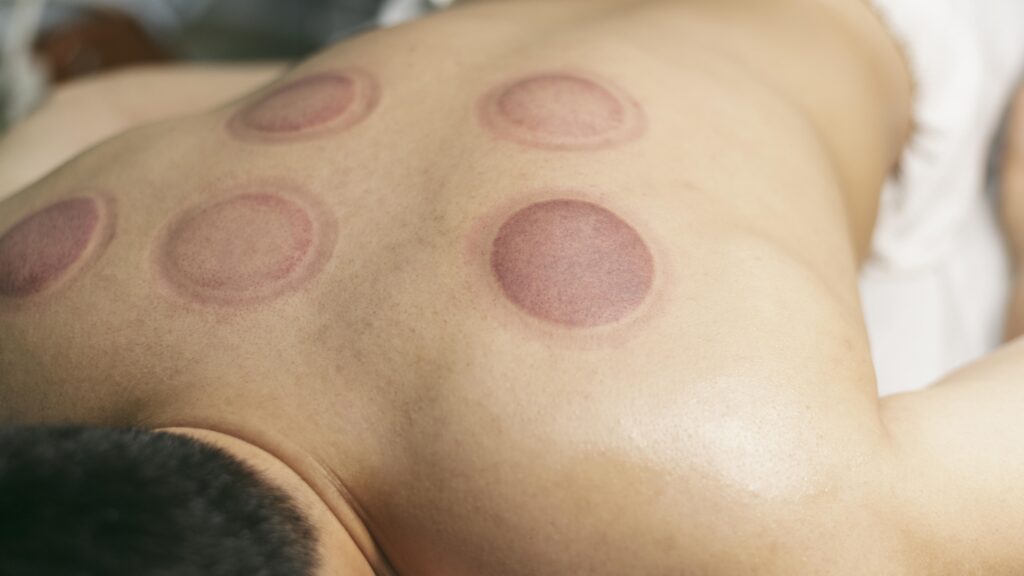
- Small circular marks that fade in 1-2 weeks
- Temporary fatigue (body is detoxing)
- Increased urination (eliminating toxins)
- Feeling of lightness and relief
Who Can Have Hijama?
Hijama is generally safe for most healthy adults, but there are important considerations.
Hijama is Recommended For:
- Healthy adults seeking wellness and prevention
- People with chronic pain conditions
- Those suffering from the ailments mentioned earlier
- Anyone following the Sunnah for its spiritual benefits
- Athletes looking for enhanced recovery
- People with lifestyle-related conditions
Who Should Avoid Hijama:
- Pregnant women (risk of stimulating labor)
- People with blood disorders (hemophilia, severe anemia)
- Those on blood thinners (warfarin, aspirin – consult doctor)
- Cancer patients (without oncologist approval)
- People with organ failure (liver, kidney, heart)
- Those with infectious skin diseases in treatment area
- Children under 3 years old
- Extremely weak or elderly (without medical approval)
- People who just donated blood (wait 4 weeks)
Special Considerations:
Diabetics: Can have hijama but need special precautions Women during menstruation: Better to wait until after period People with tattoos: Hijama can still be done, may need different locations Those with keloid scarring tendency: Discuss with practitioner
Always consult with a qualified hijama practitioner and your healthcare provider before beginning treatment.
Finding Authentic Hijama Services
Not all hijama providers are created equal. Here’s what to look for:
Essential Qualifications
- Proper Training: Look for certified, trained practitioners
- Islamic Knowledge: Understanding of Sunnah and proper practice
- Medical Background: Healthcare training is a plus
- Hygiene Standards: Sterile, clean environment
- Experience: Years in practice, client testimonials
- Ethical Practice: No exaggerated claims or guarantees
Red Flags to Avoid
- Mixing hijama with non-Islamic practices (taweez, magic)
- Promising guaranteed cures for serious diseases
- Poor hygiene or reusing equipment
- Lack of proper consultation
- Extremely cheap prices (compromised quality)
- No proper documentation or credentials
Questions to Ask
- “Are you trained and certified in hijama?”
- “Do you follow the Sunnah guidelines?”
- “What hygiene protocols do you follow?”
- “Do you provide health screening before treatment?”
- “What are the costs and what’s included?”
- “Do you have patient testimonials or reviews?”
Hijama at Rewired Hijama & Ruqyah Centre
At Rewired Hijama & Ruqyah Centre, we bring together the best of prophetic medicine and professional healthcare:
Our Commitment:
- 100% adherence to Quran and Sunnah
- Professionally trained, certified practitioners
- Hospital-grade hygiene standards
- Comprehensive health assessments
- Female practitioners available for women
To begin your wellness journey with our certified and Sunnah-compliant practitioners, book your authentic Hijama session today.
Rewired Hijama and Ruqyah Centre Islamabad is the best hijama and ruqyah centre in Islamabad. Check our Google Reviews!